
Growing beyond your home market is exciting and full of upside, but it also brings complexity. You need strategy, systems, and local know-how to turn opportunity into repeatable revenue. In the paragraphs below you’ll find clear, practical steps you can apply this month to start improving international performance and reducing friction across the buyer journey.
Second, start with global marketplace optimization tips that prioritize customer experience, logistics clarity, and localized messaging. These three pillars will keep your expansion efforts efficient and measurable.
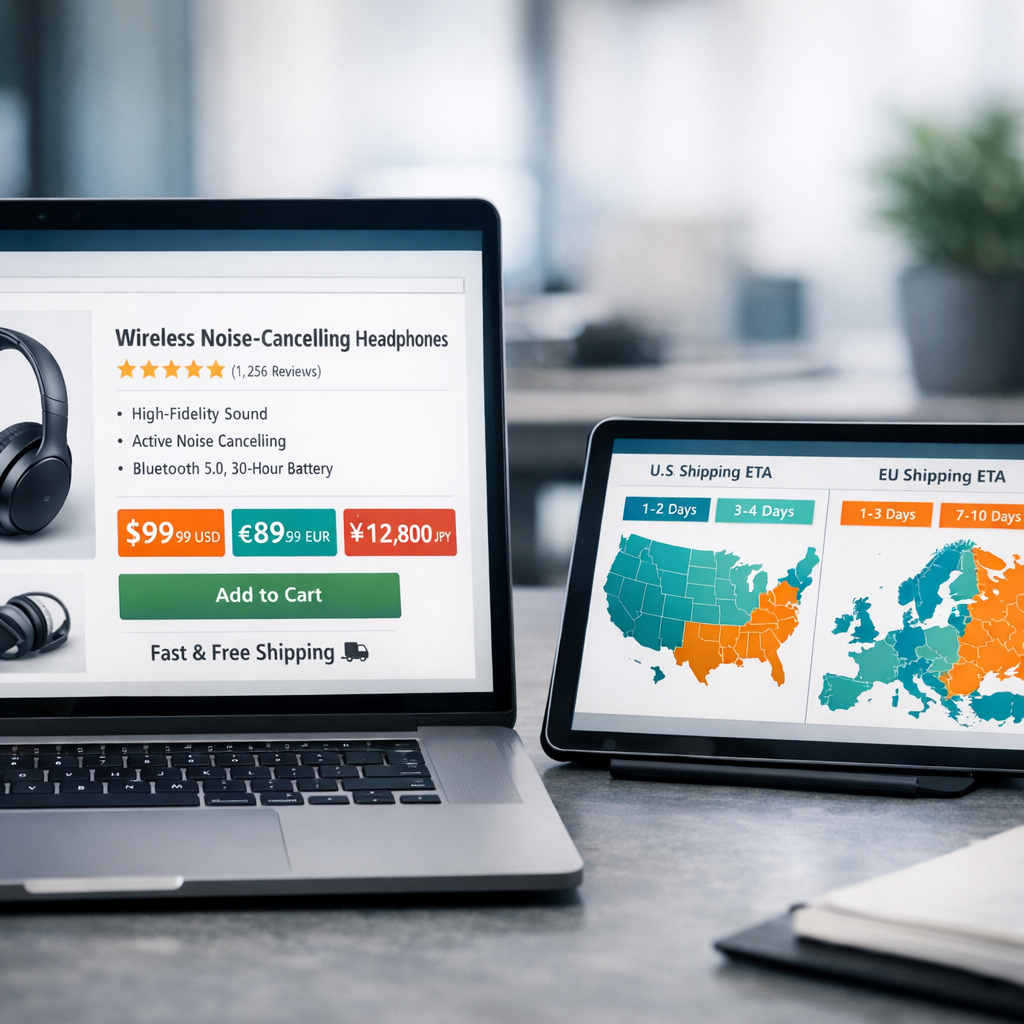
Why marketplace optimization matters now
Expanding internationally without optimization wastes margin and creates poor experiences that damage brand trust. Optimization reduces friction in search, checkout, shipping, and returns, which directly improves conversion and lifetime value. Here’s the thing, you don’t need to perfect everything — prioritize the highest-impact fixes and iterate.
The three optimization pillars
- Product discoverability, through marketplace SEO and category fit.
- Transparent pricing and shipping, so customers see full landed cost early.
- Localized commerce experience, including payments, language, and returns.
Identify and prioritize target markets using data
Use performance signals, not assumptions
Start with data you already have: web analytics by country, search interest, cart conversion rates by region, and competitor presence. Small wins come from choosing markets where demand exists and competition is manageable.
Quick market-scoring framework
- Demand signal: organic traffic and paid test results.
- Competitive intensity: number of established local brands and price spread.
- Operational feasibility: shipping times, duties complexity, and returns cost.
Score each market and focus on the top 2-3 for your early-stage expansion.
Optimize product listings for marketplace search and conversion
Title, bullets, and images
Marketplace algorithms and shoppers reward clarity. Use local keywords in titles, concise benefit-driven bullets, and professional lifestyle images that reflect the target market.
Pricing and landed cost transparency
Show prices in local currency and display taxes and duties at checkout when possible. Unexpected fees are a top driver of cart abandonment, so pre-calc duties or offer DDP options.
Payment methods and trust signals
Offer local payment methods popular in each region, from local wallets to bank transfers and installment options. Add trust badges, clear return policies, and local contact channels to reduce friction.
Shipping, fulfillment, and returns strategies
Choose the right fulfillment mix
- For fast-to-market testing, use international carriers with prepaid options.
- For scale, deploy regional 3PLs or local distribution centers to lower shipping times and costs.
Returns management
Local returns hubs significantly improve repurchase rates. If returns are expensive, be explicit about policies and offer prepaid return solutions where feasible.
Localization and regulatory compliance
Translate for intent, not just words
Localize product descriptions, sizing, and imagery to match cultural expectations. A literal translation won’t convert as well as localized copy that addresses local pain points.
Compliance basics
Understand labeling, product standards, and taxes like VAT/GST in your target countries. Noncompliance can cause listing removals, fines, or shipment delays.
Measurement: choose the right KPIs
Track region-level metrics: conversion rate, average order value, return rate, landed cost per order, and CAC by market. Use cohort analysis to measure repeat purchase behavior and margin over time.
Common pitfalls and how to avoid them
- Scaling too fast without operational capacity, which leads to shipping delays and poor reviews.
- Treating all markets the same, instead of customizing pricing, payments, and messaging.
- Ignoring returns costs, which can erode profitability quickly.
A 90-day implementation roadmap for early-stage businesses
Weeks 1-2: Market validation
Run low-cost ad tests, check organic search interest, and shortlist 2 markets. Configure store geolocation and local currency display.
Weeks 3-6: Listing and checkout optimization
Localize 10–20 top SKUs, enable local payments, and test duties-at-checkout or DDP pricing.
Weeks 7-12: Fulfillment and retention
Pilot regional fulfillment, publish clear return flows, and launch localized email flows to capture repeat buyers.
Tools and resources to accelerate results
- Platforms that support multi-currency and markets features are useful for fast rollout.
- Use regional 3PLs and global carriers to test service levels before committing to local warehousing.
For background reading on global e-commerce trends and cross-border commerce best practices, check industry guides such as the OECD’s e-commerce analysis and leading platform resources that walk through cross-border setups.
Frequently asked questions
How do I choose the first international market to target?
Start with where you already see organic interest and low competition, then validate with small paid tests. Balance demand with your ability to fulfill orders profitably.
What’s the single fastest way to reduce international cart abandonment?
Show the full landed cost early, including taxes and duties, or offer DDP so customers don’t face surprises at delivery.
Should I create a separate store for each country?
It depends. For a few markets, separate localized storefronts can improve UX and SEO. For many markets, a single configurable platform with geolocation and language support is more efficient.
How important is local payment support?
Very important. Local payment methods increase trust and conversions, especially in markets where cards are less common than local wallets or bank transfer methods.
When should I invest in local warehousing?
Move to local warehouses once order volume and margin justify the fixed costs. Start with international carriers and regional 3PLs for early testing.
How do I handle product compliance across countries?
Research local labeling, materials, and safety standards before launching. Use local import brokers or compliance consultants if needed.
What KPIs should I watch first after launching a market?
Conversion rate, average order value, landed cost per order, returns rate, and repeat purchase rate are the highest priority for early-stage measurement.
Ready to scale internationally?
If you want a faster, lower-risk path to global growth, partner with experts who handle market selection, listing optimization, compliance, and fulfillment execution. Visit https://www.sell-goal.com to learn how Sell Goal helps DTC and wholesale brands expand across marketplaces with data-driven plans and measurable ROI.
Conclusion
Expanding across borders is a process, not a one-time project. Focus on the highest-impact optimizations first: product discoverability, transparent pricing, and localized payments and fulfillment. Iterate quickly, measure the right KPIs, and scale markets that show repeatable margin. Do that, and international growth becomes sustainable rather than stressful.